Today, cruising down Texas State Highway 87 is simple. You roll past colorful stilt homes, turn into The Big Store for ice and bait, and glance out at the Gulf horizon without thinking twice about the pavement beneath your tires. Driving directly onto the hard-packed sand at South Monkhouse or barrel access points is purely a leisure activity—a place to park the truck, set up a canopy, unpack the coolers, and watch the waves.
A century ago, driving on the sand wasn’t a weekend pastime. It was a matter of survival.
Before Highway 87 was surveyed, paved, and integrated into the Texas highway system in the early 1930s, there were no paved inland arteries connecting the eastern edge of Bolivar Peninsula to the western ferry landings. Between High Island and Port Bolivar lay miles of shifting dunes, salt-grass marshes, and bayous.
The beach wasn’t just a scenic vista. The beach was the highway.
Timing Life by the Moon and Tides
Traveling down Bolivar Peninsula before asphalt required a driver to think far more like a boat captain than a motorist. There were no speed limit signs, no painted lane dividers, and certainly no tow trucks stationed around the corner.
The rule of the road was absolute: navigate only when the tide was out.
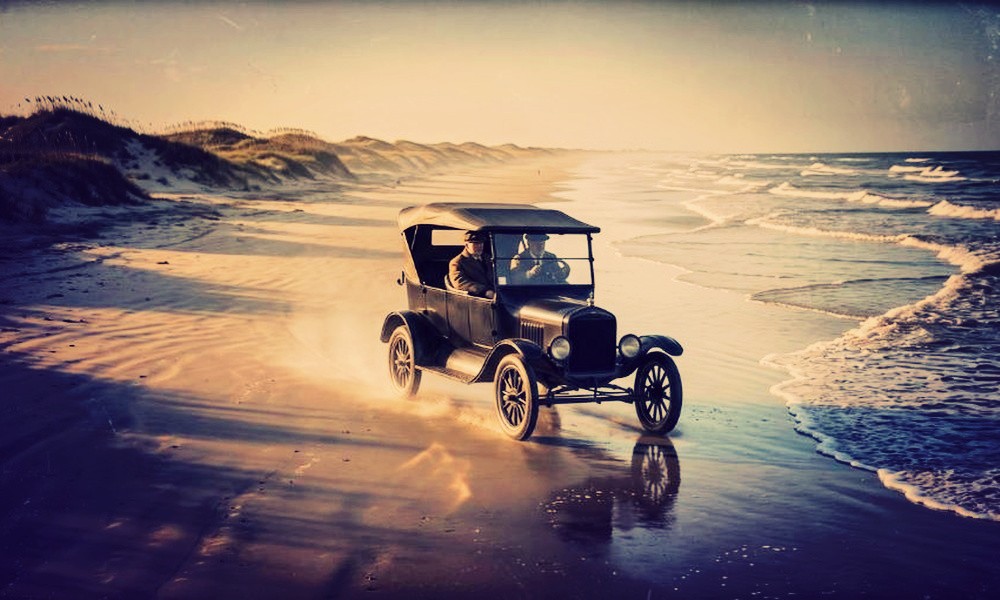
At low tide, the receding Gulf waters left behind a wide, damp ribbon of sand packed down as firmly as modern concrete.Early Model T Fords, heavy freight wagons, and horseback mail carriers could move briskly along the surf line. If an engine began to overheat, drivers would frequently dip into the shallow wash of the Gulf foam to cool the tires and chassis.
Miscalculating the tide, however, brought immediate peril. If a driver lingered too long visiting neighbors in Patton or High Island, the incoming Gulf tide would steadily erase the road. Ruts formed in seconds as tires churned through rising soup-like surf. Countless early automobiles were abandoned to the Gulf when the salt water swallowed their axles before a team of work mules could be hitched to pull them free.
The Stagecoaches, Model Ts, and Plank Bridges
Long before combustion engines sputtered down the coast, stagecoaches traversed this very same coastal thoroughfare.During the 19th century, regular lines carried passengers and mail along the waterline between Sabine Pass, High Island,and the tip of Bolivar Point, where travelers would wait for a skiff or small sailing sloop to ferry them across the channel into Galveston.
When early motorists began testing their luck in the 1910s and 1920s, local communities improvised to keep the makeshift highway open:
- Driftwood and Planks: At tricky bayou cuts and tidal washouts, ranchers and travelers laid down heavy planks and driftwood “corduroy roads” across muddy dips to keep wheels from sinking.
- Canvas Water Bags and Shovels: Every vehicle traveling down the coast carried mandatory recovery gear: wide wooden boards to slide under tires, a shovel, tire chains, and burlap sacks to provide traction in dry, sugary sugar-sand.
- The Freshwater Dash: Driving through salt spray coated every exposed metal bracket, radiator, and leaf spring in corrosive brine. Upon reaching settlement wells or freshwater prairie ponds, the first order of business was always a bucket wash to stave off rust.
The Arrival of Highway 87
By the late 1920s, the growing popularity of coastal automobile tourism and the expansion of peninsula cattle ranching made an inland route essential. When the Texas Highway Department began surveying and grading Highway 87 across the length of Bolivar, it marked a permanent turning point in local life.
The new ribbon of asphalt relocated daily commerce away from the tide line. Mail delivery was no longer held hostage by full-moon tides or seasonal nor’easters, and communities like Crystal Beach, Caplen, and Gilchrist rapidly expanded inland as vacationers from Houston and Beaumont could finally make the trek without fear of losing an engine to the Gulf.
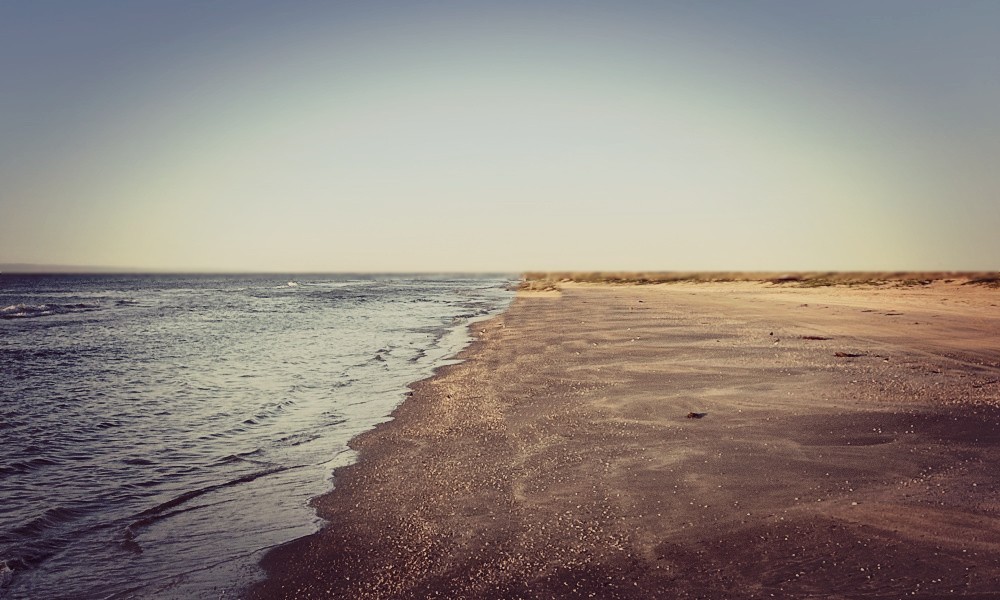
Yet, despite nearly a century of pavement, the historic spirit of the beach highway never completely left the peninsula. To this day, Texas law legally classifies the beaches of Bolivar as a public roadway. When you ease your truck down the ramp and cruise along the water’s edge at sunrise, you are tracing the very same path that stagecoach drivers, mail couriers, and pioneer families relied on just to get home.