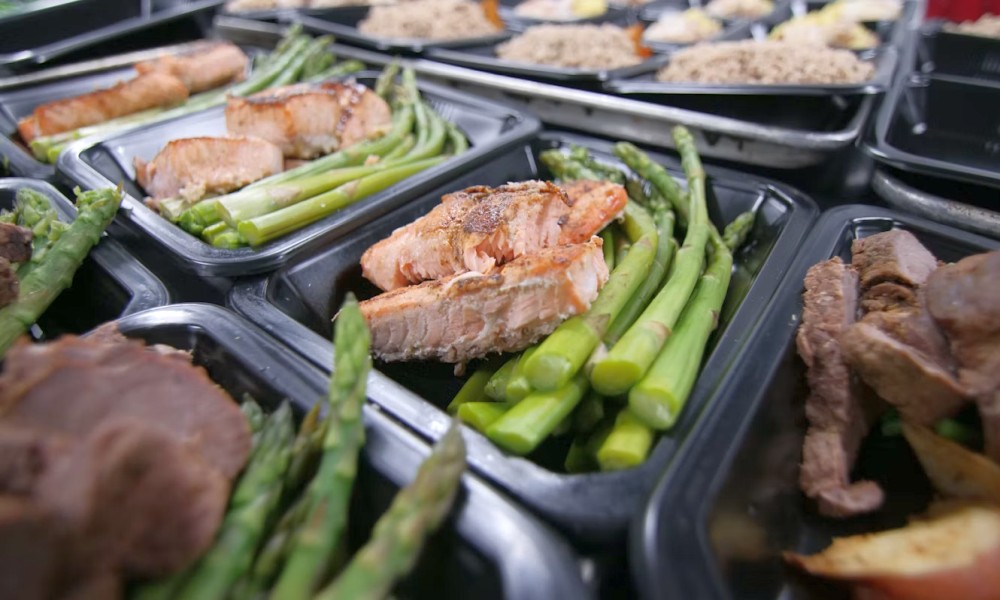
Heavy physical labor demands consistent energy throughout every shift. Crews often rely on quick fast food options that cause sharp energy crashes midway through the afternoon.
Shifting toward healthier daily habits keeps teams alert and reduces workplace accidents. Simple changes to daily food access make a direct impact on daily job performance.
Set Up Structured Eating Schedules
Regular meal breaks prevent stamina drops during long physical tasks. Workers who skip lunch often experience fatigue, which can make demanding job-site work more difficult. Planning meal locations keeps field operations running smoothly without unnecessary delays. For remote projects with many workers, mobile kitchens for large crews can provide organised meal service directly at the worksite, reducing the need for employees to leave the area for food. Having meals available on location also helps teams maintain predictable break schedules throughout the day.
Taking regular breaks gives the body time to digest food properly. Short resting periods between heavy lifting tasks prevent physical burnout. Consistent schedules help workers maintain steady output from morning to evening.
Upgrade On-Site Hydration Stations
Proper hydration remains one of the simplest ways to maintain high focus during physical tasks. A health publication noted that proper hydration helps the brain work efficiently, supports smooth digestive function, and protects organ health. Providing cold, clean water throughout the job site keeps everyone alert.
Salty electrolyte powders can be added to water containers on hot days. Steering clear of sugary drinks keeps blood sugar levels balanced during intense heat. Simple daily hydration routines cut down on heat fatigue during strenuous shifts.
Shaded drinking areas encourage workers to pause and hydrate frequently. Placing water stations near active work zones removes extra barriers to staying hydrated. Clear signage reminds team members to drink before feeling thirsty.
Offer Balanced Meal Options
Providing clean protein and complex carbs gives teams long-lasting stamina. An industry report highlighted that workplace environments supporting good nutrition benefit both employees and employers. Menu updates create a healthier and more productive workforce across every project.
Swap processed white bread for whole grains that digest slowly. Offer grilled chicken, turkey, or beans instead of heavy fried foods. Light meals prevent that heavy post-lunch sluggish feeling that slows down work.
Serving fresh salads alongside lean meats boosts daily vitamin intake. Adding vegetable sides gives workers key nutrients without extra fat. Small changes in meal choices lead to major boosts in daily energy.
Provide Smarter Snack Choices
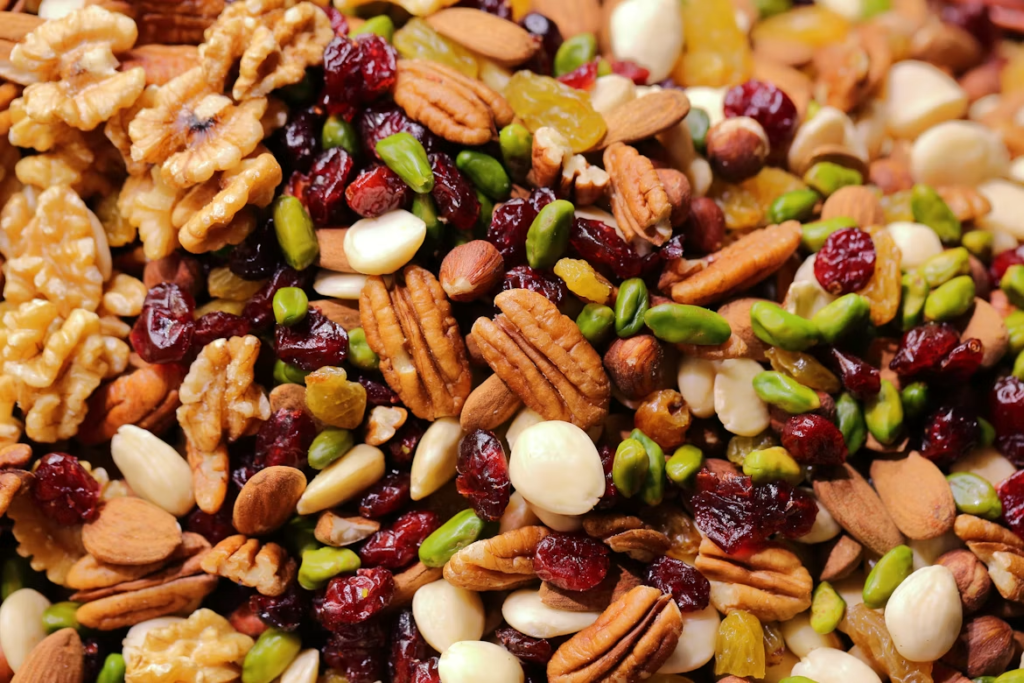
Image source: https://unsplash.com/photos/mix-of-nuts-and-dried-cranberries-pUa1On18Jno
Vending machines stocked with candy and chips cause quick energy spikes followed by crashes. Stocking break trailers with fresh fruit, nuts, and hard-boiled eggs offers clean energy. These healthy snacks supply steady fuel without adding empty calories.
Here are top snack options for physically working crews:
- Bananas and apples for quick energy and fiber
- Almonds and peanuts for high-protein power
- Whole grain granola bars with low sugar content
- String cheese and Greek yogurt cups
Keeping healthy snacks visible makes workers choose them over junk food. Simple fruit baskets in break areas cost under $20 a week to maintain. Clean snack choices keep momentum high between major meal times.
Encourage Group Prep and Local Sourcing
Setting up communal food prep areas makes healthy eating easier for everyone. Group orders from local caterers lower costs per meal for the entire team. Sharing balanced group meals builds team unity and keeps dietary goals intact.
Keeping a clean refrigerator in the break trailer protects homemade meals from heat. Encouraging crew members to pack home-cooked lunches saves money every week. Simple kitchen amenities make bringing food from home far more appealing.
Microwaves and clean eating tables give workers a comfortable space to relax. Clean eating spaces show workers that their health is valued. Group meal prep creates a positive culture around fitness and clean living.
Invest in Portable Storage Solutions
Proper food storage prevents spoilage during long shifts in warm outdoor settings. Portable coolers, ice packs, and insulated bags keep perishable items safe to eat all day long. Investing in cold storage equipment helps food stay fresh from morning to evening.
Clean storage containers protect meals from dust, dirt, and pests found on active job sites. Labeling individual containers with names prevents confusion during busy lunch breaks. Orderly storage space makes break times run smoother for everyone.
Temperature control remains crucial when storing meat, dairy, and fresh produce. Monitoring cooler temperatures prevents foodborne illnesses that cause missed workdays. Safe food storage protects crew health and maintains steady attendance.
Educate Crews on Daily Food Choices
Brief morning safety chats can include quick tips on healthy food habits. Teaching workers how to read nutrition labels builds awareness about hidden sugars. Small educational moments inspire better choices outside of work hours.
Distribute simple printed guides detailing affordable nutrient-dense grocery items. Share easy 15-minute recipes that fit busy evening schedules. Small steps in food education lead to long-term personal health improvements.
Sharing quick tips creates an open dialogue about wellness. Recognizing workers who make healthy changes keeps motivation high. Knowledge empowers crews to make smart eating choices both on and off the job.
Taking active steps to support crew health builds a stronger workforce. Providing clean food choices, steady hydration, and convenient eating setups keeps safety high and morale strong. Better nutrition on job sites leads directly to safer, happier crews every day.