Taking a long-awaited trip offers a well-deserved break from daily routines, but travel schedules frequently disrupt personal nutrition targets. Balancing relaxing indulgence with proper body nourishment quickly becomes tricky when dining options fall outside your usual control. You can keep your health goals intact while fully enjoying every moment away from home. Navigating menus and daily itineraries becomes much simpler when you equip yourself with adaptable strategies.
How Do You Keep Nutrition Simple While Traveling?
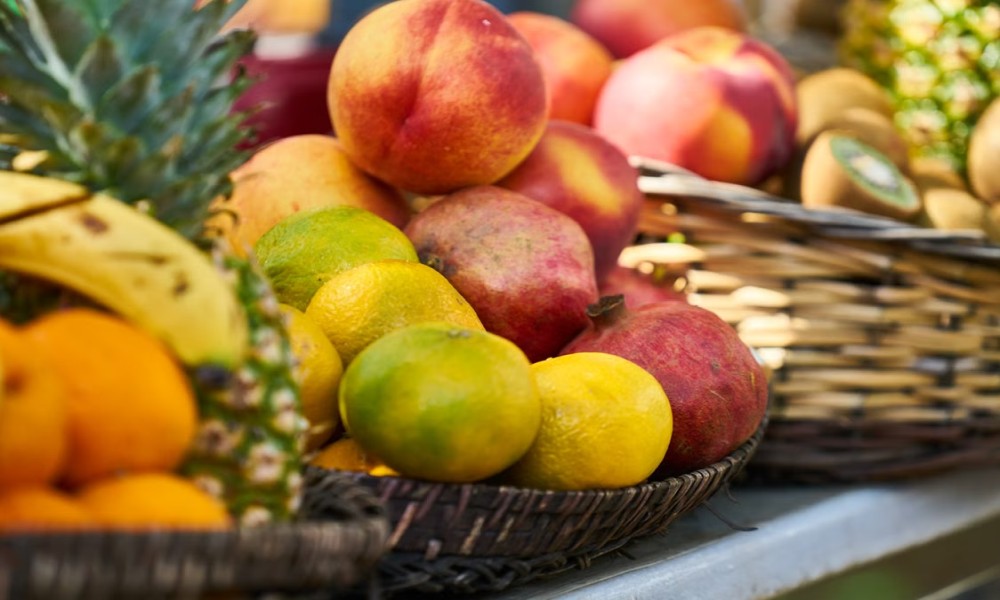
Navigating airport terminals, highway rest stops, and local eateries often limits immediate access to fresh, whole food items. Preparing portable snacks before heading out gives you full control over your food choices during transit. CDC guidelines recommend packing fresh fruits, vegetables, and unsalted nuts as easy alternatives to processed chips or sugary treats. Keeping these choices inside your bag makes it easier to pass on fast food stops along the way.
Choosing balanced foods helps sustain high energy levels through busy sightseeing schedules.
Why Is Daily Accountability Helpful on the Road?
Maintaining momentum on vacation works best when you track daily habits rather than taking an all-or-nothing mindset. Digital tracking applications give a clear view of overall nutrition without adding unnecessary stress to your trip. Staying aware of daily intake helps protect your body weight targets while enjoying local dining experiences.
Many flexible programs such as Weight Watchers fit into active schedules by making it easy to track options anywhere. Using an adaptable system lets you enjoy regional specialties without worrying about overstepping your target intake.
Simple Tracking Methods
- Log meals right away: Record food items immediately after eating to keep your daily journal clear and accurate.
- Focus on overall trends: Pay attention to weekly patterns so a single heavy dinner never causes frustration.
- Track your daily hydration: Monitor water intake throughout the day to avoid confusing basic thirst with hunger signals.
What Are the Best Ways to Handle Dining Out?
Restaurant menus often feature rich entrees, heavy sauces, and larger portions than typical home-cooked meals. Planning your main plate around simple whole foods makes dining out much easier to navigate.
Smart Menu Decisions
- Choose light cooking methods: Select baked, poached, or roasted protein options over heavily battered or fried items.
- Request simple side swaps: Ask for extra steamed vegetables or sliced fruits instead of heavy side dishes.
- Share main entrees: Split large restaurant plates with a travel partner to manage portion sizes naturally.
How Can You Handle Buffet and Hotel Breakfasts?
Hotel breakfast bars and all-you-can-eat buffets present endless options that make overeating easy. Walking past the entire spread once before grabbing a plate allows you to survey every option calmly.
Filling half your breakfast plate with fresh fruit or lean eggs creates a solid foundation before adding sweet pastries. Keeping sweet baked goods to a small side treat helps prevent mid-morning energy crashes while traveling.
What Strategies Support Mid-Day Energy?
Long afternoons filled with museum tours or beach excursions require steady physical energy. Skipping lunch or waiting too long between meals often leads to sudden overeating at dinner.
Stopping for a balanced midday meal featuring lean protein and fiber stabilizes blood sugar through active afternoons. Carving out time for regular eating windows keeps your metabolism steady throughout long sightseeing trips.
How Can You Build a Travel-Friendly Grocery List?
Visiting a local grocery store or neighborhood market right after arriving gives you instant access to fresh items. Stocking your hotel mini-fridge with basic staples cuts down on constant restaurant runs.
- Pick easy fresh produce: Apples, bananas, and pre-washed berries require zero prep work inside a hotel room.
- Select simple protein items: Single-serve Greek yogurt, boiled eggs, and string cheese offer quick protein boosts.
- Stock up on water: Purchasing large bottled waters keeps fresh hydration readily available in your room.
How Can You Keep Active Without Breaking Your Vacation Pace?
Physical movement works together with smart nutritional choices to support overall body health while away. Vacation activity never requires rigid gym sessions or intense fitness routines. Walking through historic city centers, strolling along beaches, or taking morning swims adds functional movement without feeling like work.
Staying active helps regulate appetite and supports smooth digestion during long travel days. Pairing casual daily movement with mindful food choices gives you complete freedom to enjoy your vacation while protecting the healthy habits built at home.
How Can You Stay Consistent After Returning Home?
Returning from a vacation does not mean you need to immediately return to a strict routine. Instead, ease back into your usual eating and activity habits by focusing on balanced meals, regular hydration, and consistent movement. Reviewing your travel habits can also help you identify which strategies worked well and which ones you would like to adjust for future trips.
Using the same flexible approach at home makes healthy habits easier to maintain over time. Rather than viewing vacation nutrition as a temporary challenge, treat it as an opportunity to practice realistic choices in different environments.
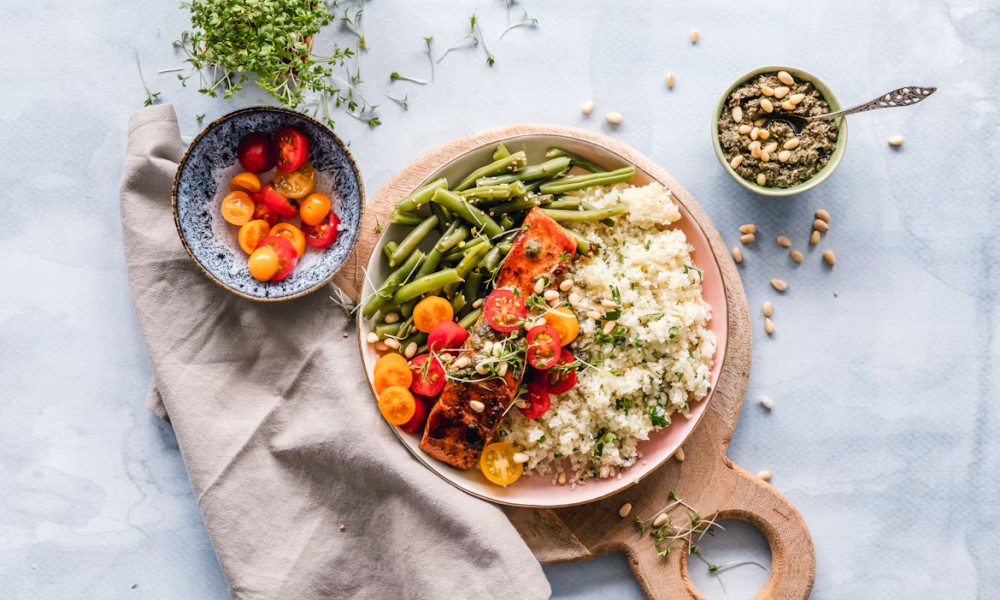
Image Source: https://unsplash.com/photos/vegetable-salad-KPDbRyFOTnE
Restful travel should refresh your mind while keeping your body nourished and full of energy. Adopting practical tools, preparing smart travel snacks, and using flexible tracking methods ensures you enjoy every moment of your break. You return home feeling fully restored, satisfied, and entirely on track with your long-term health goals.