
Expanding commercial delivery routes bring heightened highway risks. Smart defensive driving protocols and post-crash legal guidance remain critical for everyday motorists.
You share the road with delivery vans and freight carriers every time you commute to work or run errands. Commercial delivery volume continues to surge across major highway corridors, creating dangerous travel conditions through tight blind spots, driver fatigue, and rushed dispatch schedules.
Navigating these crowded traffic lanes requires sharp defensive habits behind the wheel. When a crash occurs, understanding your rights helps you hold corporate shipping giants accountable for your losses.
Why do commercial delivery trucks pose unique road hazards?
Delivery drivers face demanding shift quotas that push them to rush through dense commuter traffic. That relentless pressure often produces fatigued operators who make abrupt lane shifts, drift across highway markers, or stop unexpectedly in active travel lanes. You must treat these vehicles with extreme caution because delivery deadlines frequently conflict with basic traffic safety.
Large commercial freight haulers operate with massive visual blind spots along both sides, directly behind the trailer, and directly in front of the cab. When you drive alongside a commercial trailer, the operator might have zero visibility of your vehicle. Steer clear of these zones by checking whether you can see the driver in their side mirrors.
How does heavy vehicle weight affect your safety margins?
Size disparities between standard passenger cars and commercial delivery trucks create severe physical dangers during high-speed traffic slowdowns. A typical passenger vehicle weighs around 4,000 pounds, whereas loaded freight trucks carry tremendous momentum. If traffic halts abruptly ahead, a heavy delivery hauler cannot match the rapid braking capacity of your car.
Records from the Wisconsin Department of Transportation show that a fully laden freight vehicle can weigh up to 80,000 pounds, requiring the span of two football fields to reach a complete stop from expressway speeds. You should always give these haulers extra following distance when traveling on expressways. Leaving at least 4 to 5 seconds of buffer space protects your car if a truck driver swerves or brakes hard.
What makes corporate delivery truck liability so complicated?
Logistics conglomerates routinely insulate themselves from collision liability by contracting routes out to independent third-party delivery service partners. If you suffer catastrophic injuries in an Amazon Truck Accident, identifying the responsible party demands deep investigation into dispatch agreements and driver logs. The parent logistics company often claims the courier is not their employee to shield their corporate balance sheet. That legal separation leaves injured motorists navigating a web of uncooperative insurance adjusters.
Unraveling multi-layered commercial insurance policies
Delivery networks use overlapping commercial policies covering the driver, the fleet van, and cargo freight. Multiple insurance representatives will contact you quickly, attempting to secure recorded statements before you understand the full scope of your medical expenses. You should decline recorded interviews until a personal injury lawyer reviews your case.
Pinpointing driver status and franchise contracts
Delivery companies frequently classify their couriers as independent contractors or employees of small logistics franchises. Your legal counsel must subpoena shift telematics, GPS data, and mobile device communications to confirm who directed the driver during the crash. Uncovering those corporate ties establishes the proper insurance coverage for your medical recovery.
How can you protect your rights at the crash scene?
The immediate minutes following a collision with a commercial delivery van determine the strength of your future compensation claim. Corporate logistics operators mobilize risk response teams immediately, meaning you must gather critical evidence before the scene clears. Taking calm, decisive actions right away helps you protect both your health and your legal interests.
- Call emergency responders: Request local police and paramedics to document the crash formally and evaluate your physical injuries.
- Photograph vehicle damage: Capture wide-angle images of the intersection, skid marks, road debris, and commercial vehicle branding.
- Collect witness details: Exchange contact information with bystanders who observed the delivery vehicle swerve, speed, or ignore traffic signs.
- Refuse quick payouts: Avoid signing insurance documents or giving recorded accounts to claims adjusters before hiring an attorney.
Seeking medical care on the day of the incident establishes an indisputable timeline linking your symptoms directly to the collision. Latent conditions like concussions and whiplash often appear hours after the initial adrenaline fades. Consistent medical records prevent corporate insurers from claiming your physical pain stemmed from a pre-existing medical condition.
Why do commercial fleet maintenance oversights threaten drivers?
Commercial delivery fleets rack up thousands of miles each week on rough urban roads and congested freeways. To keep packages moving without disruption, some logistics operators defer routine service intervals on critical components like brake pads, tires, and steering linkages. When mechanical components fail under heavy cargo weight, innocent motorists nearby pay the price.
Safety data compiled by the Bureau of Transportation Statistics reveals that roadside inspectors remove approximately 23.4 percent of commercial vehicles from service because of severe mechanical violations. Operating a delivery truck with defective brakes or bald tires constitutes gross negligence on public roadways. Your legal team can acquire pre-trip inspection reports to demonstrate whether mechanical neglect contributed to your collision.
How do skilled trial lawyers secure fair financial recovery?
Corporate insurers employ teams of claims adjusters whose primary objective is to minimize payouts to injured drivers. They routinely offer rapid, undervalued settlement checks before victims calculate long-term physical therapy, lost income, or lasting disabilities. Retaining an aggressive trial lawyer shifts leverage back to you, forcing corporate carriers to take your damages seriously.
Experienced trial attorneys retain accident reconstruction specialists, analyze black box data recorders, and cross-reference delivery shift hours with federal safety rules. That detailed investigative approach builds an airtight compensation claim covering current medical bills, future healthcare needs, pain, and lost earning capacity. Holding these corporations financially accountable helps make highways safer for every motorist.
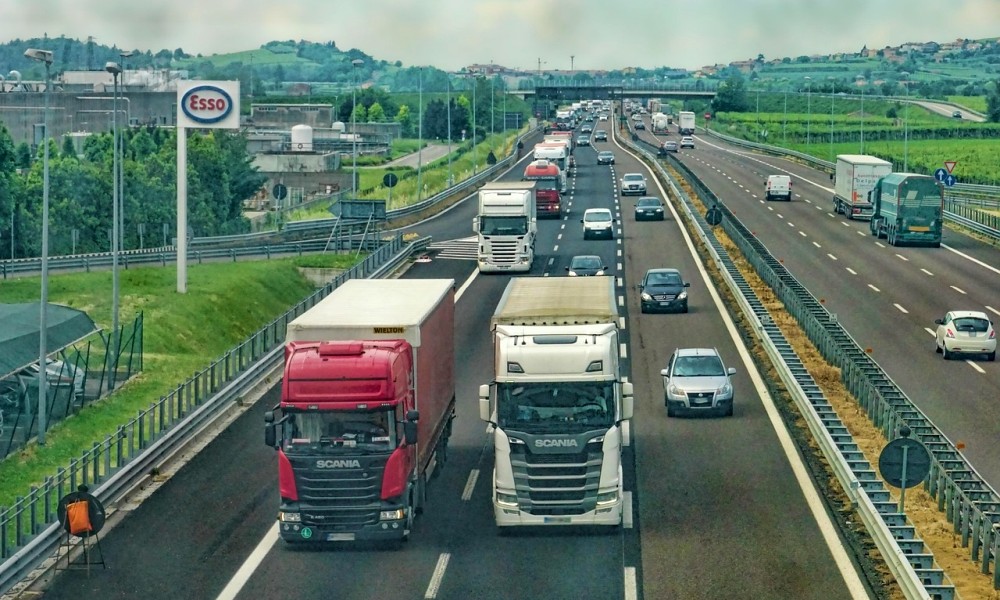
Image source: https://pixabay.com/photos/highway-road-trucks-vehicles-3392100
Sharing busy roadways with commercial freight carriers requires proactive caution, but defensive driving cannot stop every crash caused by corporate delivery pressure. Partnering with seasoned trial attorneys gives you the legal resources to confront logistics corporations and their insurance carriers. Dedicated advocates investigate your crash, assemble compelling evidence, and fight tirelessly for the full compensation you deserve.