Click It or Ticket
Not wearing a seat belt cuts your chances of surviving a serious crash in half, increasing your risk of a fatal injury by 45% to 50%. The first vehicle accident fatality in the US was in 1868. On January 1, 1968, 100 years later, the federal government now requires car makers to install seat belts in all new cars. During that 100-year period, 1.8 million persons died due to a vehicle accident. That’s 18,000 a year on average.
The choice to make it a requirement to actually wear seat belts falls to the states. Every state but New Hampshire requires adults to wear a seat belt in the front seat. Many states also require passengers in the back seat to wear a seat belt. Point being, laws now almost universally require the use of seat belts by all vehicle occupants. A glowing exception is persons riding buses, including school bus passengers. Only California, Texas, Florida and New York require seat belts on large school buses.
Nobody Can Breathe Underwater
In fact, if you are in a boating accident and inhale water into your lungs, no amount of coughing will clear your lungs and save you. One of the National Safe Boating Council slogans is “The life jacket only works if you wear it.” In Texas in 2025, 84% of those who drowned were not wearing a life jacket. Just as wearing a seat belt won’t save your life 100% of the time, wearing a life jacket won’t save your life 100% of the time. But filling your lungs with water because you weren’t wearing a life jacket will kill you 100% of the time.
The World Class Swimmer
Years ago at what we call a ramp day (were we set up at a boat ramp in uniform and perform free Coast Guard Vessel Safety Checks), I was inspecting a boater’s vessel for required safety equipment. Everything was looking pretty good until I asked to see his life jackets. He said he didn’t have or need one because he was a world class swimmer. I thought about that for a second, then I asked the world class swimmer how well he swam while unconscious. I then explained that many persons involved in a boating accident end up in the water, and many of those hit their head on something as they go over and end up unconscious. I then suggested he wear a Next of Kin badge when he went out.
Texas, Briefly
In 2025, the last full year for which we have boating accident statistics, there were 178 serious boating accidents. Those 178 serious accidents resulted in 50 deaths and 177 serious injuries. Of those 50 deaths, 35 were due to drowning with trauma and other causes making up the rest. Of those that drowned, 16 involved paddle craft (kayaks, canoes, row boats). You don’t have to be going fast to have aa fatal boating accident. All you have to do is end up in the water.
Do You See What I See
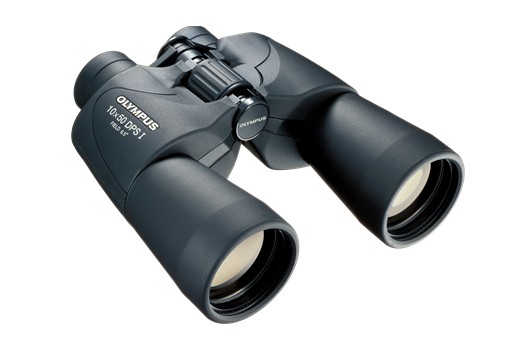
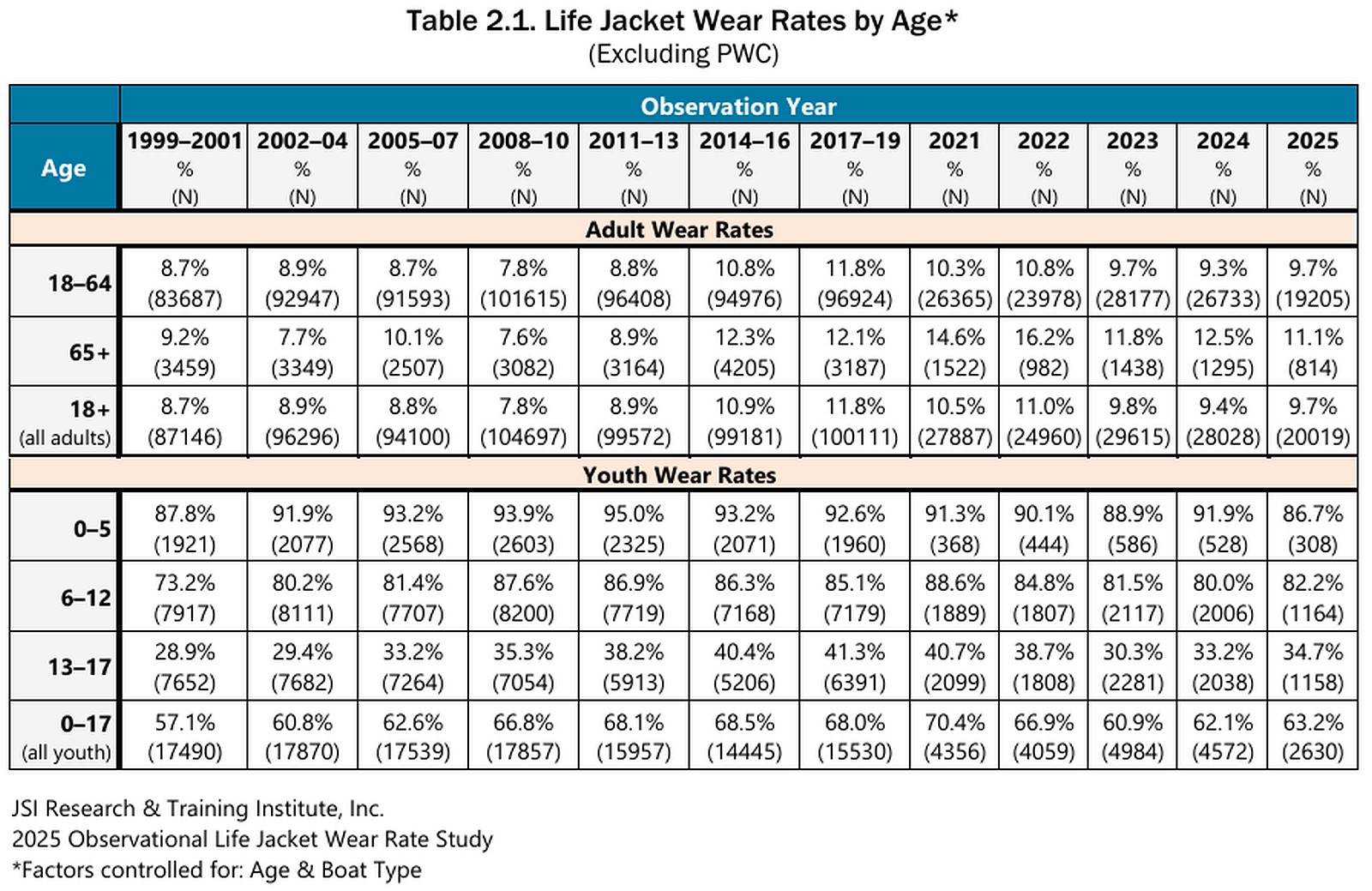
Twice a year groups of Coast Guard Auxiliarists inconspicuously set up at certain boat ramps with binoculars and observe the boaters as they go out, cruise around, and come back in at the end of the day. The results are tabulated and placed in the table below. The importance with this exercise is that when asked if they wore a life jacket, 90% of those people said they absolutely wear a life jacket. The truth is in the observations. Overall, less than 10% of all adults and only 63% of youths (most of whom are required by law to wear a life jacket while underway).
Summary
Seat belts and life jackets both fall under the Personal Protective Equipment category. Their purpose is to save your life in the event of an accident. No amount of argument can overcome the logic of wearing them. “Nobody Can Breathe Underwater.”