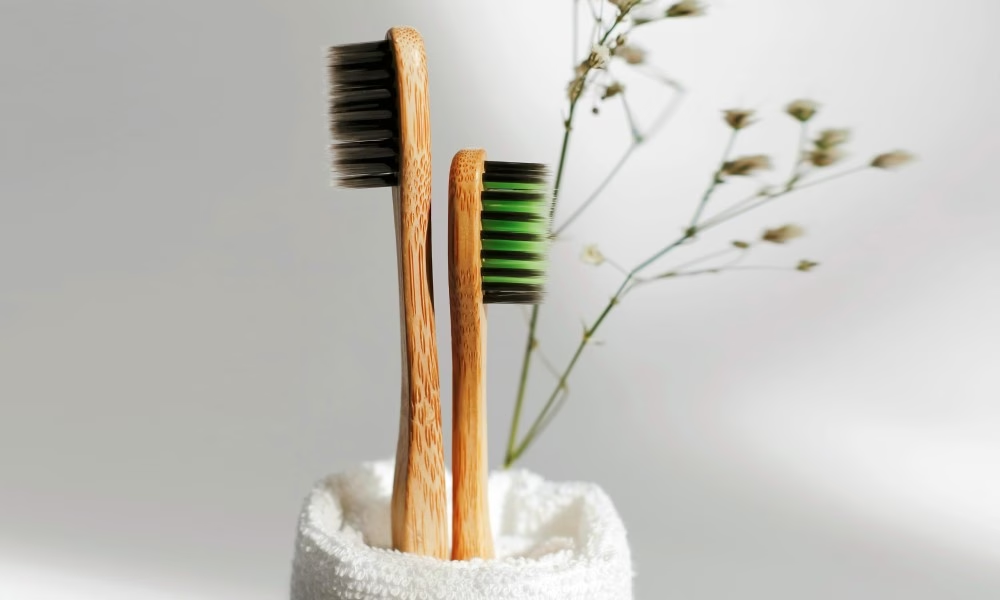
Good oral health comes from small actions repeated daily. These habits protect enamel, calm inflammation, and keep dental visits simple. Use this guide to build a routine that fits your life – and stick with it.
Brush Twice A Day
Plaque forms all day and night, settling along gumlines. Brushing in the morning and before bed interrupts this cycle and limits tartar buildup. The CDC reminds adults that brushing and cleaning between teeth helps prevent cavities and gum disease.
Choose a soft brush and use gentle, circular strokes. Angle bristles at 45 degrees toward the gumline to sweep away thin biofilm. Cover outer, inner, and chewing surfaces with calm, steady motions.
Make brushing automatic by pairing it with routine habits. Keep a backup kit in your bag or desk for busy days. That small safety net reduces skipped sessions and keeps habits consistent.
Master Two-Minute Brushing
Two minutes gives your toothpaste time to work properly. The American Dental Association recommends a full 2 minutes with a fluoride paste for effective plaque removal. Set a timer or hum a short song to track time.
Divide your mouth into four equal zones. Spend about 30 seconds per zone so every surface gets attention. Slow, short strokes beat fast, harsh scrubbing every time.
Finish by brushing the tongue or using a tongue scraper. This reduces odor and lowers bacterial load after you clean your teeth. Rinse the brush, then let it air dry between uses.
Choose Fluoride Toothpaste The Smart Way
Fluoride helps rebuild weak enamel and lowers cavity risk. You can scan labels and compare options at nobsroutines.com and other premium toothpaste providers before you pick a favorite. Stick with a taste and texture you will gladly use twice daily.
Match the paste to your needs, not trends. If sensitivity bothers you, consider formulas with potassium nitrate while keeping fluoride. Avoid overly abrasive products that can thin enamel over time.
Give any new toothpaste a fair trial. Use it for at least 2 weeks before judging results. Consistency matters more than tiny differences between similar products.
What To Look For In A Toothpaste
- Fluoride on the label for enamel protection
- Low abrasivity to protect gumlines and exposed roots
- A flavor you like, so brushing feels easy
- Clear directions for kids and adults
- Sizes and prices that fit your routine
Floss Or Clean Between Daily
Your toothbrush cannot reach tight spaces where food lodges. Floss, interdental brushes, or a water flosser remove sticky plaque between teeth. Clearing these zones helps prevent bleeding and tenderness.
Choose the tool that fits your hands and spacing. Wider gaps often benefit from small brushes, while tight contacts suit waxed floss. Comfort drives consistency, and consistency drives results.
Use a gentle C shape around each tooth. Slide under the gum edge and move up and down slowly. Avoid snapping, which can nick tissue and delay healing.
Rinse With Fluoride At A Different Time
A daily fluoride rinse can support a high-risk mouth. Use it at a different time than brushing, so the toothpaste can stay longer. Many people like a quick rinse after lunch.
Read the label and follow the instructions closely. Measure the dose instead of swigging from the bottle. Avoid eating or drinking for 30 minutes afterward for the best effect.
If your dentist recommends prescription strength, use it exactly as directed. Keep bottles out of reach of kids and track refills. Report any irritation so your plan can be adjusted.
Snack Smart And Hydrate
Cavities thrive on frequent sugar hits and acid attacks. Keep sweets and sugary drinks to mealtimes when saliva is strong. Between meals, sip water to wash away food bits.
Build a snack kit that is friendly to teeth. Cheese, nuts, and crunchy vegetables support saliva and chewing. Plain yogurt and eggs deliver protein without sticky residue.
If you chew gum, go sugar-free with xylitol. Chewing boosts saliva, which dilutes acids and supports remineralization. Keep packs in places you actually reach during the day.
See Your Dentist On A Schedule
Regular exams catch small problems while they are still simple. Your provider may suggest shorter intervals if gum inflammation is active. Stable mouths often stretch visits a bit longer.
Ask for coaching on technique and tools. A 2-minute demo can improve your brushing or flossing immediately. Photos or charts from the visit help you practice at home.
Bring a short list of questions to each appointment. Note any sensitivity, bleeding, or dry mouth you notice. Clear notes lead to tailored plans that match your routine.
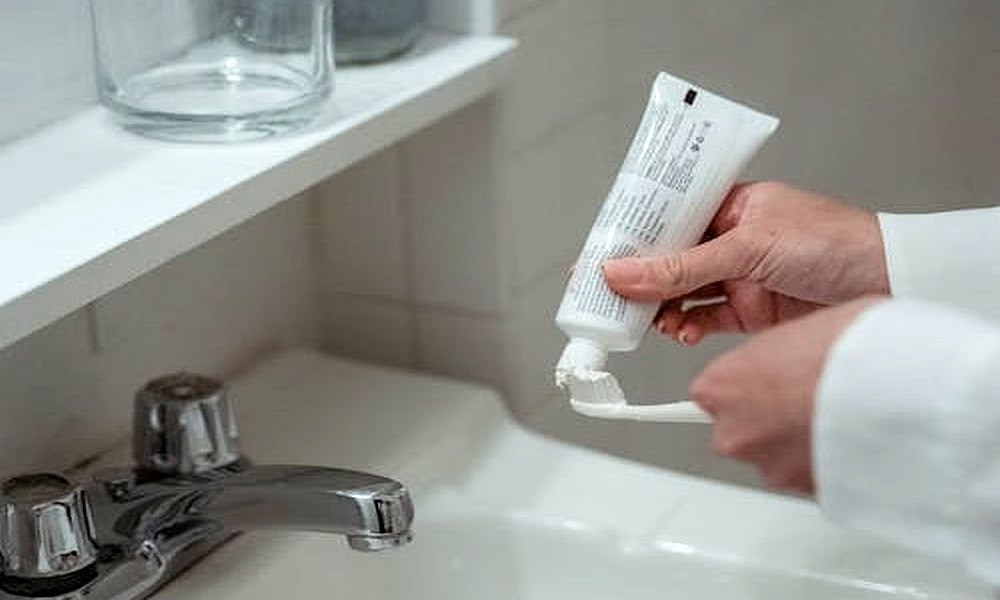
Building these habits is not about perfection – it is about steady progress. Add one change, keep it for a week, then layer in the next. Over time, your mouth will feel cleaner, your breath fresher, and your smile more confident.