Small roof problems can turn into big headaches fast. Water finds any weak spot, and wind or sun speeds up the damage. Knowing which issues call for a pro helps you act before costs climb. Below are seven problems that often need trained eyes and proper tools. Each one can lead to leaks, mold, or structural trouble if ignored. Catch them early, and your roof will last longer with fewer surprises.
Leaks From Damaged Or Missing Shingles
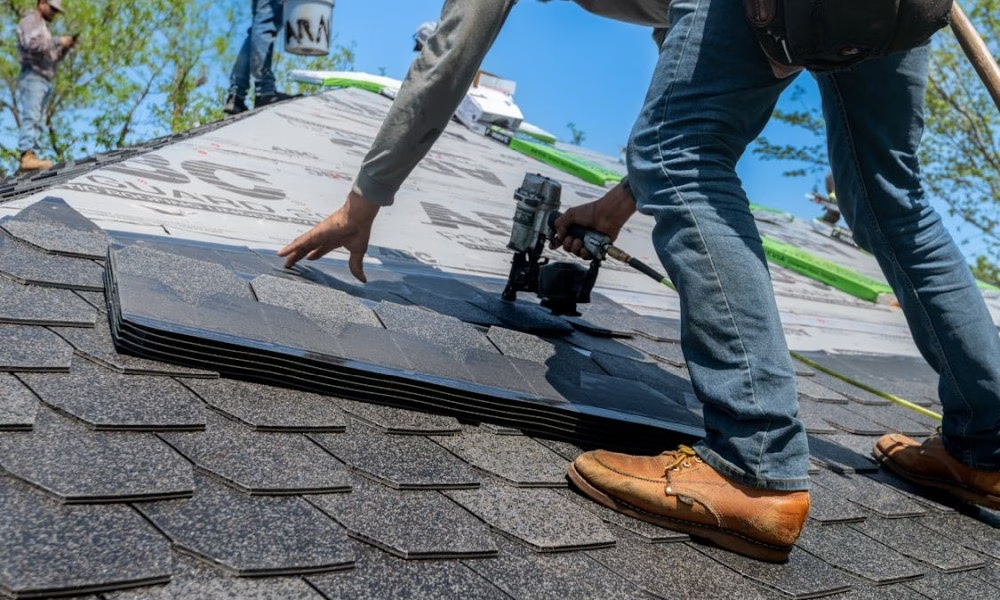
Shingles crack, curl, or blow off as weather cycles wear them down. Even a small gap lets water reach the underlayment and wood. Left alone, leaks spread sideways and show up far from the source.
DIY fixes sometimes mask a deeper problem, like nails that have backed out or a wavy deck. Pros check the nailing pattern, fastener length, and substrate condition. That prevents repeat leaks in the same spot.
Granule loss exposes the asphalt surface to UV. Once the mat dries out, shingles become brittle and break. Replacement by a trained roofer stops the cycle and restores the water shed.
Edges and slopes see the most wind stress. A contractor can upgrade starter strips and sealant lines. That small change often reduces future blow-offs after storms.
Failing Flashing And Sealant Around Penetrations
Flashing guards high-risk joints at chimneys, skylights, and walls. When it rusts, lifts, or separates, water sneaks in behind it. Sealants age and crack, which opens a path for wind-driven rain.
Temporary patches can help in an emergency, and a simple roof patching tip might buy you a dry night, but flashing defects usually return. Once metal is bent or cut incorrectly, sealant alone will not hold. Reflashing with proper overlaps and counterflashing is the lasting fix.
Chimneys need step flashing woven into the shingle courses. Counterflashing then covers the top of that metal. Missing either layer is a common cause of ceiling stains.
Skylights add another set of joints. Factory kits must match the roof profile, and the curb needs a continuous, waterproof transition. A pro ensures the assembly sheds water in every direction.
Ice Dams And Freeze-Thaw Damage
Winter brings melt-freeze cycles that trap water near the eaves. Warm attic air melts the snow higher on the roof. The runoff hits the cold edge and refreezes, which creates a dam that backs water under shingles.
A homeowner’s guide notes that ice dams form when heat loss melts roof snow, and the water refreezes along the eaves. Proper insulation and ventilation reduce heat escape, and careful snow removal lowers the risk without hurting shingles.
When water backs up, it can soak the underlayment and drip intothe walls. Wet insulation then sags, which makes heat loss worse. Professionals add eave protection membranes to block that backflow.
Soffit-to-ridge airflow is crucial in winter. It keeps roof deck temperatures more even and reduces condensation. An attic inspection can confirm that intake and exhaust are balanced.
https://pixabay.com/photos/church-builder-contractors-roofing-4562506
Ponding Water On Flat Roofs
Flat and low-slope roofs often hold water after rain. Minor sags, clogged drains, or poor taper design allow puddles to linger. That extra load and UV exposure shorten membrane life.
One flat-roof resource explains that roughly 1 inch of standing water adds about 5.2 pounds per square foot. A few low spots across a big roof can quickly add thousands of pounds. That stress strains the framing and seams.
Pros correct ponding by adding tapered insulation, fixing drains, or rebuilding wet substrate. They test for trapped moisture before installing a new membrane. Skipping that step leads to blisters and early failure.
Watch for dirt rings and algae halos that outline past puddles. They point to areas needing slope changes or additional drains. Timely repairs protect the deck and interior ceilings.
Ventilation Problems And Moisture
A tight roof still needs airflow. Without it, warm, moist air collects in the attic and condenses on cooler surfaces. That moisture feeds mold and rots the deck.
Balanced ventilation uses intake at the soffits and exhaust at the ridge. The goal is steady movement, not gusts. Baffles keep insulation from blocking air paths.
Signs of trouble include rusty nails, musty smells, and damp stains on sheathing. In summer, heat buildup cooks shingles from below. That speeds up aging even if the top surface looks fine.
Roofers can add vents or open blocked soffits. They may pair this with air sealing at the ceiling plane. That keeps indoor humidity out of the attic in the first place.
Storm And Hail Impacts
Wind lifts shingle edges and breaks sealant bonds. Hail bruises the mat and knocks off protective granules. Even if you cannot see a hole, the damage can shorten the shingle’s service life.
- After a storm, view slopes from the ground with binoculars.
- Look for torn tabs, exposed nails, and shiny spots where granules are missing.
- Do not climb a wet or unstable roof.
Hail bruises often feel soft under light pressure. Those spots crack and leak. A trained inspector can document the damage and map repair areas.
Emergency tarping can prevent further water entry. Once conditions are safe, pros replace damaged shingles, resecure loose ones, and check flashings. That full sweep catches hidden issues.
Aging Roofs And Maintenance Gaps
Even quality roofs wear out. Sun, temperature swings, and foot traffic all add up. Without routine care, small defects turn into expensive structural repairs.
An industry brochure from a major manufacturer points out that skipping regular inspections is a top reason roofs fail early. Scheduled checks find minor cracks, loose fasteners, and sealant splits before leaks spread.
Older roofs may need periodic resealing at penetrations. Nails can back out as wood moves with the seasons. Tightening and sealing these areas avoids surprise drips.
When materials are near the end of their life, patching stops making sense. A roofer can advise on partial replacement or a full reroof. That choice depends on deck health, slope, and local codes.
Staying ahead of these issues keeps water where it belongs. A short inspection after big storms and a seasonal checkup go a long way. If something looks off, get a pro’s opinion before opening the tool bag.
Roofs work as a system. When one part fails, other parts quickly feel the strain. Treat small problems early, and your home will stay dry, efficient, and safe.