
Creating a smooth path from the back door to the edge of the property makes a backyard feel like a true extension of the home. Many homeowners struggle with cluttered yards that feel disconnected or cramped. A well-planned layout solves problems by guiding movement naturally.
Focusing on how people move through a space helps define the purpose of every square foot. Small changes in placement can turn a chaotic patio into a serene retreat. Design ideas help anyone build a backyard that works for relaxation and hosting.
Define Clear Walking Paths
Paths act as the veins of a backyard, keeping traffic away from seating areas. Using flat stones or gravel creates a visual guide for guests. A path should be wide enough for 2 people to walk side-by-side.
Straight lines offer a modern look, but curved paths feel more natural. Curves slow down the pace and encourage people to notice the plants around them. If a path leads to a hidden bench, it adds a sense of discovery.
Hard surfaces like pavers are great for high-traffic spots. Softer materials like wood chips work well for quiet garden corners. Choosing the right material keeps the ground stable and easy to navigate.
Create Functional Zones
Splitting a large yard into smaller rooms makes the whole area feel bigger. One area can host a grill while another serves as a quiet reading spot. Organizing the yard this way prevents a single large space from feeling empty or overwhelming.
Creating separate zones for dining and socializing is a 2025 requirement to help gardens feel spacious. Using different sections keeps messy cooking tasks away from where people relax. It provides a logical structure to the entire property.
Using area rugs or different floor materials helps mark boundaries without walls. A change in the direction of deck boards can signal a new area. Flow stays open yet organized.
Install Multi-Level Surfaces
Changing the height of a patio or deck adds instant visual interest. Working with reputable Deck and Patio Contractors or your area allows for custom designs that fit the unique slope of a lot. Professional help helps homeowners avoid common drainage issues when building levels.
Raised platforms can highlight a dining area or a hot tub. Low walls or steps create a natural boundary that does not block the view of the rest of the yard. Safety remains a priority when adding stairs between platforms.
Steps should be deep and low to keep movement easy for everyone. Wide steps can even double as extra seating during large parties. Vertical space helps make a small footprint feel much larger.
Connect Indoor And Outdoor Rooms
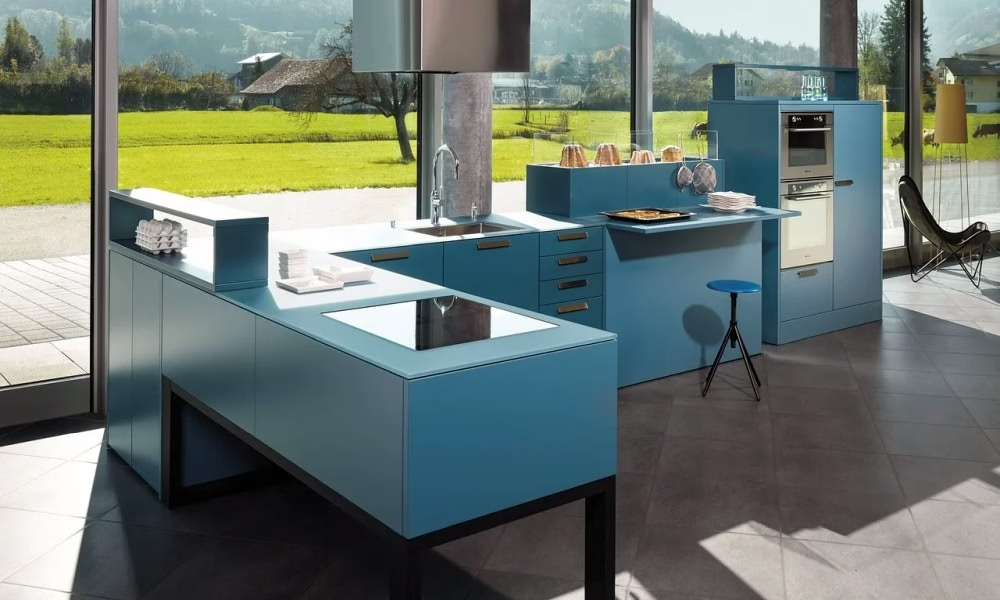
Large sliding glass doors create a seamless transition between the kitchen and the patio. Matching the flooring materials makes the eye perceive both spaces as one. It makes the home feel larger during the warmer months of the year.
An outdoor kitchen should be placed close to the indoor one to make carrying food easy. Placing the grill near the house reduces the time spent walking back and forth. It keeps the host involved in the conversation while they prep a meal.
Adding a roof or a pergola over the transition area provides shade and protection. It creates a “middle ground” that feels cozy even when the sun is high. Lighting should be consistent across both areas to maintain the mood.
https://pixabay.com/illustrations/kitchen-open-kitchen-show-kitchen-2132605/
Use Furniture To Direct Traffic
Furniture serves a dual purpose as both a place to sit and a way to guide movement. Placing a sofa with its back to a path creates a private lounge area. It tells guests exactly where the entrance to a seating zone is located.
L-shaped sectionals are perfect for defining corners in an open layout. They provide plenty of seating without taking up the center of the yard. Keeping the middle of the space clear allows for easy walking or kids playing.
- Small side tables keep drinks within reach without blocking paths.
- Folding chairs can be tucked away when they are not needed.
- Bar stools at a high counter save floor space.
Swivel chairs allow guests to turn toward the fire pit or back toward the house. Flexibility makes the layout more social. It allows for different types of interaction in one small area.
Incorporate Vertical Elements
Walls and fences are not the only ways to add vertical interest. Trellises with climbing vines offer privacy without creating a solid barrier. They let light and air pass through, keeping the space feeling fresh.
Tall planters can act as “living walls” to separate a dining spot from a play area. They add color and texture at eye level. Drawing the gaze upward makes a yard feel more grand.
String lights hung high above the deck define the “ceiling” of an outdoor room. It creates a sense of enclosure that feels intimate. Careful placement prevents the wires from becoming a distraction during the day.
Focusing on movement and purpose makes a huge difference in how a yard feels. Simple changes like adding paths or levels create a sense of order. Enjoying the fresh air becomes easier when the space works perfectly.