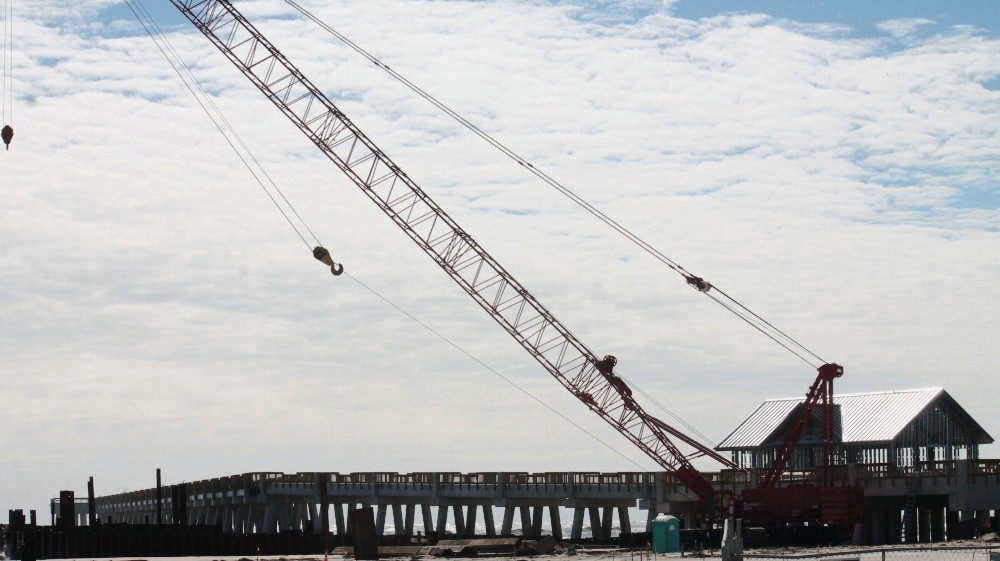
For those who marvel at the sight of the new 1,000-foot fishing pier nearing completion on Bolivar, the structure represents far more than just timber and concrete stretching out into the Gulf. Rising on the historic footprint that once was the legendary Rollover Pass, the project offers a long-awaited and welcomed opportunity for local and visiting anglers alike. However, to many, nothing could ever truly replace the iconic cut that defined generations of Texas coastal fishing.
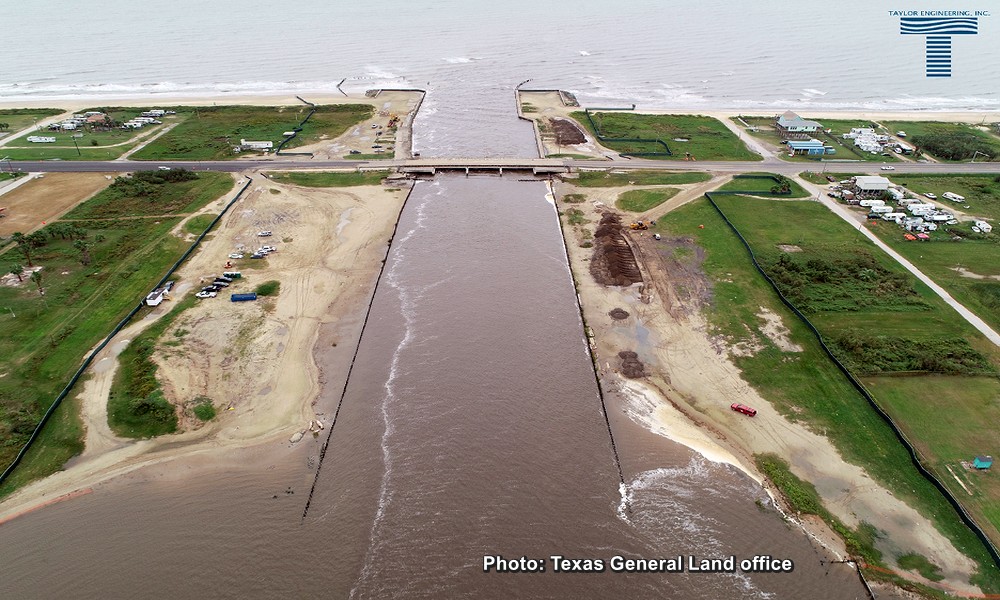
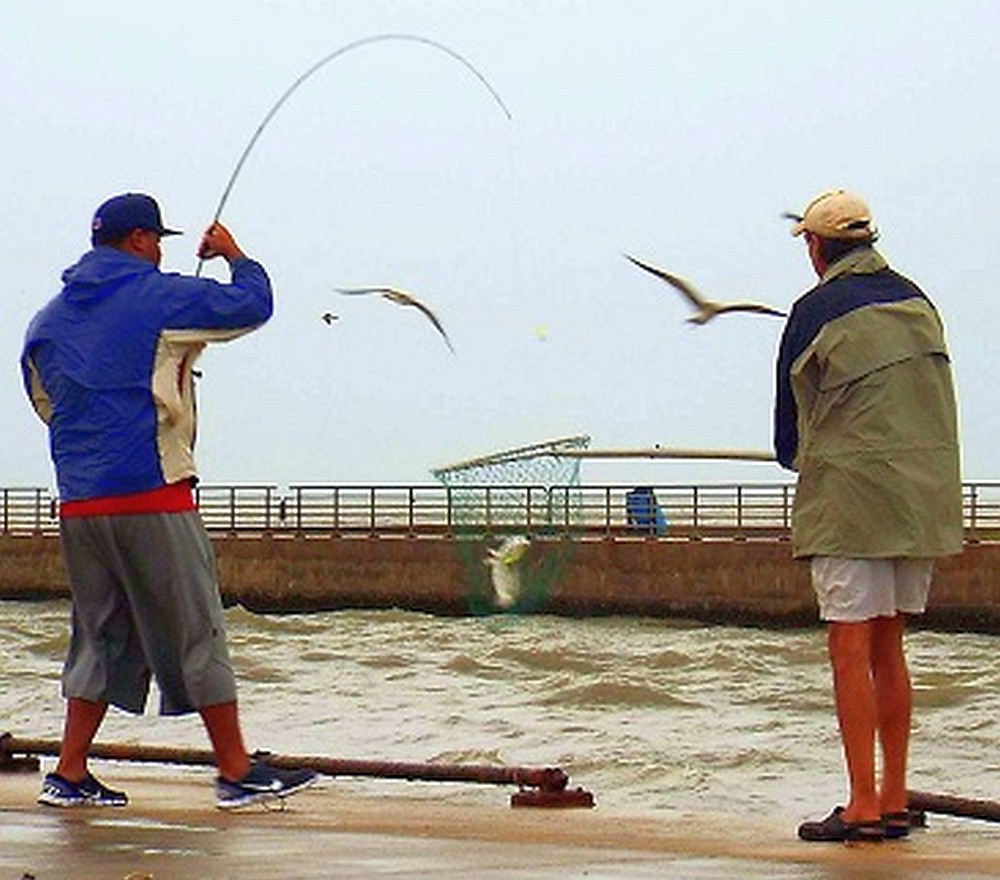
For decades, the standard greeting on Bolivar Peninsula was simple: “Are they running at the Pass?” To anyone who ever spent a weekend on the upper Texas coast, “the Pass” meant only one place: Rollover Pass. Until its closure in 2019, this 200-foot-wide channel was more than just a geographic feature; it was a legendary gathering place. On any given weekend, you could find anglers standing shoulder-to-shoulder on its bulkheads, rod tips bent, and ice chests filling with flounder, speckled trout, and redfish.
However, long before it became the state’s most famous public fishing cut, this narrow strip of sand had a much darker, wilder history.
The Pirate and Smuggler Shortcut
The geography of the Bolivar Peninsula is what made Rollover Pass inevitable. At its narrowest point, only a few hundred yards of sand separate the turbulent waters of the open Gulf of Mexico from the calm, expansive shallows of East Galveston Bay.
Before a permanent channel was ever dredged, this natural low spot—originally a marshy, tidal depression—became a covert highway.
According to coastal lore, the name “Rollover” originated in the early 19th century during the heyday of Gulf privateers and smugglers, most notably the legendary outlaw Jean Lafitte. To avoid the heavily patrolled customs station in Galveston Harbor, smugglers would anchor their vessels in the Gulf, unload contraband—such as illegal goods, spirits, and supplies—and manually “roll” the barrels and cargo over the narrow, sandy peninsula.
Once across, the illicit goods were loaded onto shallow-draft skiffs waiting in East Bay, out of sight of revenue cutters and customs agents. This “smuggler’s shortcut” allowed traders to sneak supplies directly into the Texas interior. By the time Spanish, Mexican, and later Texan officials caught wind of the activity, the contraband was already deep in the mainland.
Engineering a Fishing Legend
For generations, the natural pass was a sleepy, seasonal tidal cutoff. But in the 1950s, the landscape changed forever.
In 1955, the Texas Game and Fish Commission (precursor to the Texas Parks and Wildlife Department) undertook an ambitious engineering project: they dredged a permanent, open-water channel through the historic “Rollover” site. The goal was to connect the Gulf to East Galveston Bay, naturalizing fish migration, improving bay salinity, and boosting marine life.
The result surpassed all expectations, transforming the pass into a legendary natural funnel for fish.
Because the pass was the fastest route for tides surging between the open ocean and the bay, it became a rich feeding ground. Baitfish, crabs, and shrimp were pulled back and forth through the narrow gap, drawing massive predatory game fish right with them. Almost overnight, Rollover Pass became a premier fishing destination in the state.
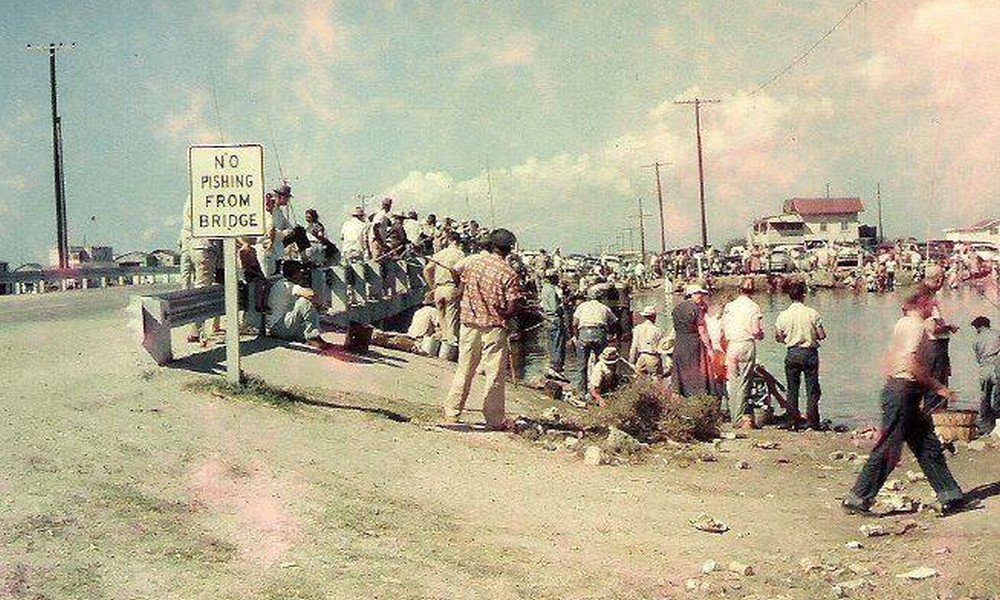
Unlike many premium coastal fishing spots that required expensive charter boats or private waterfront access, Rollover was completely public, easily accessible, and free. You could park your truck, walk twenty paces to the concrete wall, and drop a line into some of the richest fishing waters in Texas.
The Closing of an Era
The same natural forces that made the pass a premier fishing spot also made it difficult to sustain. Over the decades, the massive volume of water surging through the cut caused significant erosion along the beachfront, stripping sand from the peninsula and deposit-choking the Intracoastal Waterway. The cost of frequent dredging and repairing the Hwy 87 bridge, coupled with the threat of storm surges during major hurricanes, led to a decades-long struggle over its future.
Despite intense grassroots resistance from passionate anglers and residents, the decision was made to close the pass. In 2019, the Texas General Land Office filled the channel, and a new fishing pier and public park are being built at the historic site.
Though the water no longer flows directly through the “smuggler’s shortcut,” the legacy of Rollover Pass remains deeply embedded in Bolivar Peninsula history. Today, the legendary stories of pirates, smugglers, and “the big ones that didn’t get away” continue to be told by the families who spent their best days on its concrete banks.