Why People Move to Honolulu
Honolulu attracts newcomers for many reasons: job transfers with major employers, military PCS orders, a slower island lifestyle, or a dream retirement in the sun. Choosing a neighborhood here, however, feels different than on the mainland. Island geography limits road options, the H-1 freeway can back up quickly, and the cost of living shifts dramatically from one district to the next. This guide walks through what to consider, then breaks down key Oahu neighborhoods to help you narrow your search.
What to Consider Before Picking a Neighborhood
Before you fall in love with a listing, think through these Honolulu-specific factors:
- Commute and traffic: The H-1, H-2, and H-3 can be heavily congested during rush hours. A 10-mile drive may take 30–45 minutes, especially into downtown.
- Budget and cost of living: Rents and home prices are high island-wide, but areas like Kahala and Hawaii Kai sit at the upper end, while Pearl City and Aiea tend to be more attainable.
- Proximity to what matters: Weigh distance to your workplace, children’s schools, beaches, and military bases such as Pearl Harbor, Hickam, and Schofield.
- Renting vs. buying: Most newcomers rent first to learn the island. Condos dominate the urban core, while single-family homes are more common in suburban and Windward neighborhoods.
Neighborhood Breakdowns on Oahu
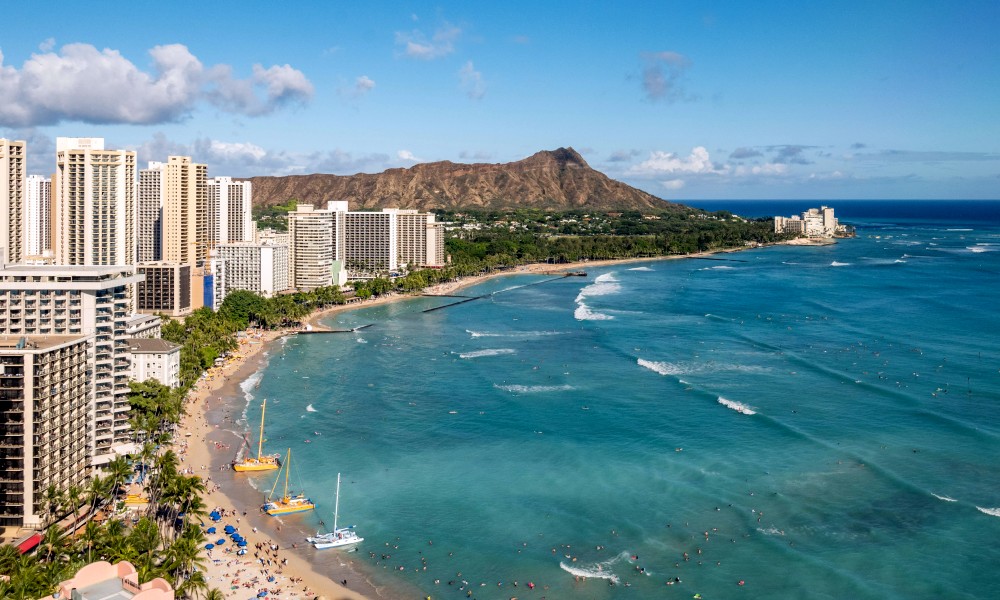
Waikiki
- Vibe: High-rise, tourist-heavy, walkable, with nightlife and beaches at your doorstep.
- Best for: Young professionals, singles, and short-term relocations.
- Costs: One-bedroom condos often run on the higher end for Honolulu; purchases are mostly condos.
- Commute: 10–20 minutes to downtown outside peak; allow more in heavy traffic.
- Amenities: Ala Moana Center, Kapiolani Park, world-famous Waikiki Beach.
Kaimuki / Kapahulu
- Vibe: Older local neighborhood with a growing foodie scene and small-town feel.
- Best for: Young families and professionals wanting character over high-rises.
- Costs: Generally more affordable than Waikiki and Kahala, with a mix of older homes and walk-up apartments.
- Commute: 15–25 minutes to downtown.
- Amenities: Restaurants, small shops, easy access to Diamond Head and beaches.
Manoa
- Vibe: Lush, quieter valley near the University of Hawaii; cooler and rainier.
- Best for: Families, academics, and those who prefer greenery to city buzz.
- Costs: Mid-to-high, with many single-family homes and some student rentals.
- Commute: 10–20 minutes to downtown.
- Amenities: UH campus, hiking trails, neighborhood parks.
Kahala
- Vibe: Quiet, upscale, and residential, with some of Honolulu’s most prestigious oceanfront properties.
- Best for: Established families, executives, and luxury buyers.
- Costs: Among the highest on Oahu; large single-family homes dominate.
- Commute: Around 20–30 minutes to downtown, depending on traffic.
- Amenities: Kahala Mall, beaches, and country club options.
Hawaii Kai
- Vibe: Planned suburban community on the eastern side, with many homes along marina waterways.
- Best for: Families seeking good schools and more space.
- Costs: Higher-end; mix of townhomes, condos, and single-family homes.
- Commute: Roughly 30–45 minutes to downtown at rush hour.
- Amenities: Shopping centers, marinas, access to hiking and beaches like Sandy Beach and Hanauma Bay.
Kailua / Kaneohe (Windward Side)
- Vibe: Laid-back beach towns with lush mountain backdrops and cooler breezes.
- Best for: Military families, retirees, and anyone prioritizing lifestyle over a short commute.
- Costs: Kailua can be quite expensive near the beach; Kaneohe is somewhat more moderate.
- Commute: 25–45 minutes to downtown via Pali, Likelike, or H-3.
- Amenities: World-class beaches in Kailua, local shops, and access to Marine Corps Base Hawaii.
Downtown / Kakaʻako
- Vibe: Urban core, redeveloped waterfront, and high-rise condos.
- Best for: Professionals who want to walk to work and live in a modern condo.
- Costs: Newer condos at mid-to-high price points, with amenities such as gyms and pools.
- Commute: Walkable or a brief drive for downtown workers.
- Amenities: Restaurants, shopping, waterfront parks, Honolulu rail stations (as they come online).
Pearl City / Aiea
- Vibe: Central Oahu suburbs with a strong local and military presence.
- Best for: Families and service members wanting shorter commutes to nearby bases.
- Costs: Typically more affordable than East Honolulu, with townhomes and single-family homes.
- Commute: About 20–35 minutes to downtown, depending on H-1 traffic.
- Amenities: Pearlridge Center, big-box shopping, close to Pearl Harbor and the Aloha Stadium area.
Special Considerations for Military Families
Most PCS moves into Honolulu center around Joint Base Pearl Harbor–Hickam, Schofield Barracks, and Marine Corps Base Hawaii. Pearl City, Aiea, and parts of Salt Lake and Moanalua are convenient to Pearl Harbor–Hickam. Mililani and Wahiawa cut commute times to Schofield. Kailua and Kaneohe are popular near the Marine base.
Review your BAH rate and compare it with average rents in your target areas. Many military families choose to live slightly farther out for more space while staying within BAH by opting for older homes or townhomes rather than new luxury towers.
Cost of Living Snapshot
Exact numbers change quickly, but in general:
- Waikiki / Kakaʻako: Higher condo rents and prices, especially in new buildings.
- Kaimuki / Kapahulu / Manoa: Mid-to-high, with older homes and walk-ups offering some relative value.
- Kahala / Hawaii Kai: High, particularly for single-family homes.
- Kailua / Kaneohe: Mid-to-high, with premiums close to the beach.
- Pearl City / Aiea: More budget-friendly compared with East Honolulu and popular with families.
Tips for a Smooth Move to Oahu
- Ship vs. buy: Shipping a container with essentials can be cost-effective, but many people sell bulky furniture and repurchase on-island.
- Timing: Ocean freight to Hawaii can take 2–4 weeks, so plan temporary housing or air mattresses while you wait.
- Moving day logistics: Elevators in high-rises, narrow streets, and condo rules may require specific time windows for deliveries. Confirm building requirements before scheduling movers.
- Professional support: Using trusted Honolulu movers who understand local regulations, parking challenges, and shipping timelines can reduce stress on arrival.
Conclusion
Relocating to Honolulu means balancing commute times, budget, and lifestyle priorities against the realities of island living. Whether you envision Waikiki’s energy, Manoa’s greenery, or Windward-side beaches, take time to research neighborhoods, talk with locals, and, if possible, explore in person before signing a lease or contract. With thoughtful planning and the right support, your move to Oahu can be the start of a deeply rewarding chapter in island life.