A lawn or garden that thrives year-round does not happen by accident. It grows from small, steady habits that match what the season is asking for. Use the rhythm of spring, summer, fall, and your local climate to guide each task.
Spring Reset For Lawns And Beds
Early spring is about tidying without overdoing it. Rake lightly to lift matted blades, clear winter debris, and edge beds so mulch stays put. Test the soil if it has been a few years, then topdress thin areas with compost to kickstart microbial life.
When growth begins, set mower blades high and take off no more than one-third at a time. Many homeowners look for easier weekend routines – automated mower solutions can keep grass at a steady height, and you handle planting and pruning, and this consistent cut helps turf fill in. Hold off on heavy feeding until later in the year to avoid weak, quick growth.
Refresh mulch to a 2 to 3 inch depth after the soil warms. Pull winter annuals before they set seed. Replant gaps with sturdy perennials that offer pollinators early forage.
Smart Watering Through The Heat
As the days warm, watering becomes the make-or-break habit. Aim for deep, infrequent cycles, so roots chase water downward. Early morning runs limit evaporation and reduce leaf wetness overnight, which lowers disease pressure.
Use a rain gauge or a straight-sided cup to track what your sprinklers actually deliver.
Group plants by water needs so you are not overwatering tough natives and trying to keep thirstier ornamentals happy. A simple timer and a few drip lines can turn guesswork into a predictable routine.
- Watch for footprints or slow spring-back after walking the lawn, check soil 2 to 3 inches down before irrigating, and adjust schedules after rainy spells.
Fall Feeding And Overseeding Made Simple
Save your main fertilizer push for the back half of the year. Extension guidance notes that late summer into fall is the ideal window to feed cool-season turf like tall fescue, since the plant is rebuilding roots and storing energy for winter and spring.
This timing supports thicker, more resilient growth when temperatures drop. If your lawn is thin, overseed during that same period to help crowd out weeds the following year.
Keep the seedbed water steady for 2 to 3 weeks using brief, frequent spritzes, then taper to deeper intervals as seedlings establish. Pair this with a core aeration pass if the soil is compacted to help air, water, and nutrients move where roots can use them.
A university resource highlights the late summer to fall fertilizing window for cool-season grass, which aligns neatly with these steps.
Leaf Season: Mulch, Don’t Bag
When leaves begin to fall, switch from collecting to recycling. Set the mower to a high cut and make a few passes to shred leaves into coin-sized pieces that sift into the canopy.
The fragments break down into organic matter that feeds soil life and lightly shades the surface to suppress winter annuals.
A research group reported that mulch mowing can reduce fuel use compared to curbside pickup programs, with some trials showing several times less fuel required for the mulching approach.
That is a win for your lawn and your neighborhood footprint. If leaves are overwhelmingly thick, mulch most of them and move the rest to beds as a free weed-blocking blanket.
Stay Ahead Of Weeds With Seasonal Cues
Weed control is easiest when you time it to plant biology. For crabgrass, one practical signal is the yellow flush on forsythia shrubs in spring. That bloom often lines up with soil temperatures that wake crabgrass seeds, which is when preemergent treatments make the biggest difference.
In summer, raise your mowing height to shade the soil and slow new weed sprouts. In the fall, a healthy overseed helps crowd out opportunists the next year.
Hand-pull or spot-treat perennials after rain when roots release more easily. Keep notes on what shows up and when so you can plan next season’s moves with less guesswork.
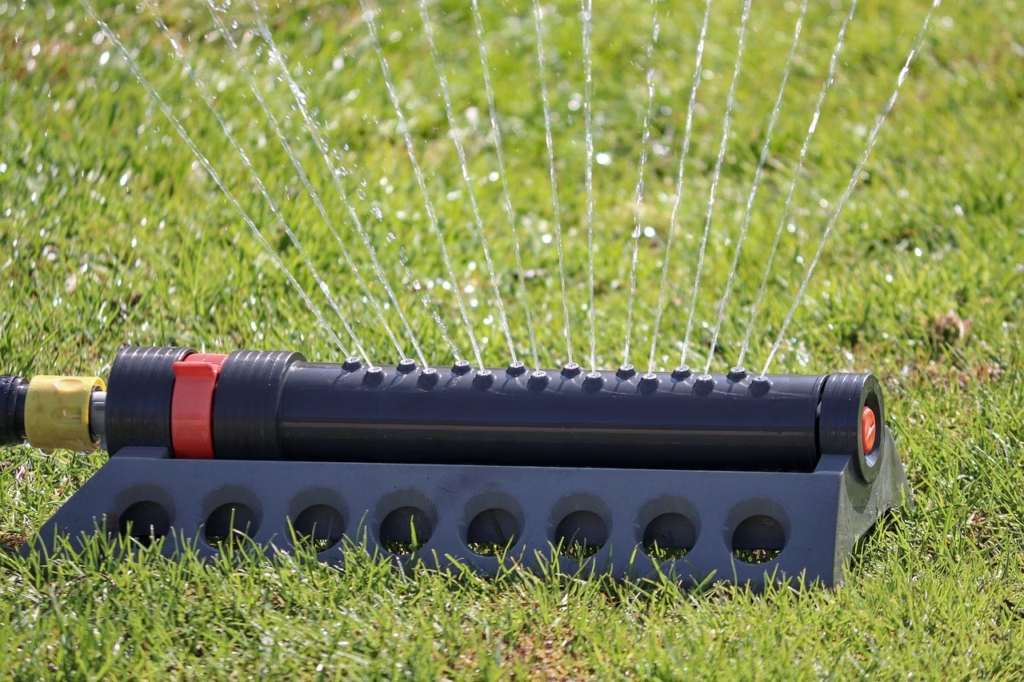
Image source:https://pixabay.com/photos/lawn-sprinkler-water-meadow-lawn-4971510/
Coastal Yard Considerations
Gardening near the coast brings a few extra variables. Wind and salt spray can scorch tender foliage, and sandy soils drain fast and leach nutrients.
Choose salt-tolerant species for exposed spots and use windbreaks like hedges or lattice to soften gusts around lawns and beds.
Water moves through coastal sand in a hurry, so add organic matter each season to improve sponge-like holding capacity.
Light, more frequent irrigation may be needed for new plantings until roots run deeper. If you harvest seaweed after storms, rinse it well to remove excess salt before composting, then use the finished compost to fortify beds and topdress turf.
Seasonal care is easier when it becomes a simple loop you can repeat. Tidy and heighten in spring, water wisely in summer, feed and thicken in fall, and recycle leaves into next year’s fertility.
Small, well-timed steps add up to a lawn and garden that bounce back after heat, storms, and foot traffic with less effort from you.